
The quality and weight of a helmet are not simply linearly related, so it cannot be simply assumed that the heavier the helmet, the better. The quality of helmets is closely related to factors such as design, materials, and manufacturing processes. When choosing a helmet, multiple factors should be considered comprehensively, not just weight.
Here are some factors to consider:
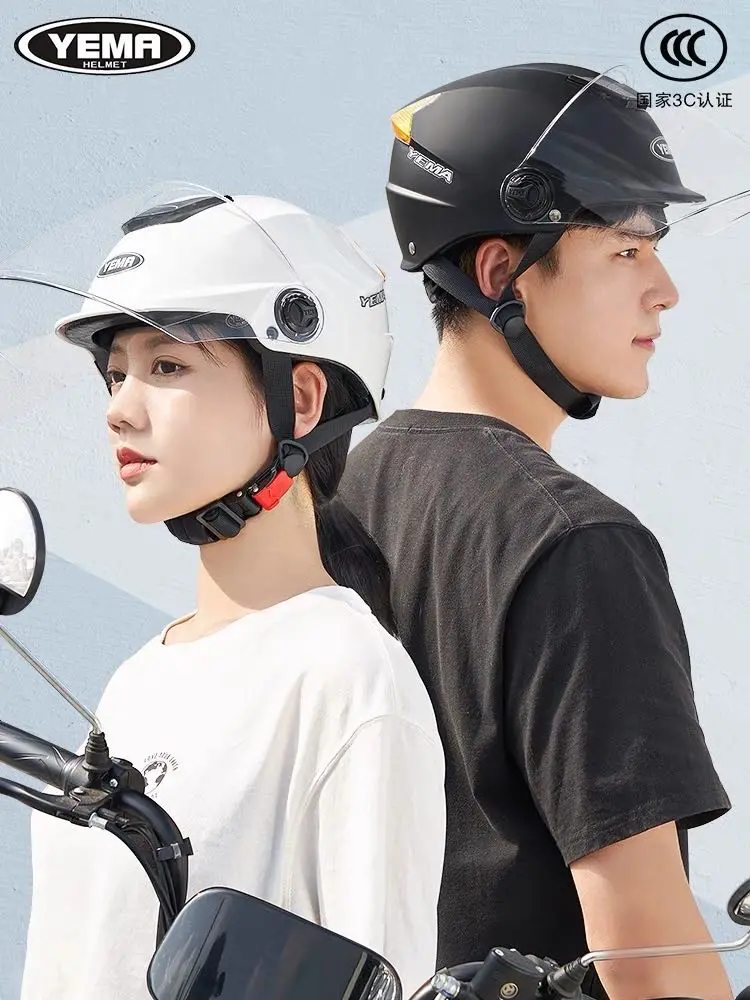
1. Safety is the primary consideration: the main purpose of a helmet is to protect the head from injury. Therefore, safety is one of the most important factors. A high-quality helmet should comply with the national 3C safety certification standards. 3C certification ensures the performance of helmets in terms of impact, puncture, and other aspects, providing effective protection for riders.
2. The influence of materials and design on helmet weight: The shell and lining materials, design structure, etc. of the helmet can all affect its weight and protective performance. High quality materials and innovative designs can reduce the weight of helmets while ensuring safety. Some helmets use lightweight materials that, through exquisite design, maintain protective performance while reducing weight.
3. Comfort and user experience: The comfort of the helmet is equally important for the riding experience. Heavy helmets may cause discomfort when worn for extended periods of time. Therefore, lightweight design and comfort need to be balanced in the design to ensure that riders can maintain comfort during the riding process.
4. Usage environment: Your riding habits and environment can also affect your demand for helmet weight. For example, if you frequently ride for long periods of time, lighter helmets may be more popular. But in some cases, a slightly heavier helmet may provide better protection.
5. Personal preferences and trade-offs: The choice of helmet may also be influenced by personal preferences. Some riders may place more emphasis on protective performance, while others may prioritize lightweight and comfort. When making a choice, it is necessary to weigh factors such as protective performance, weight, and comfort.
5. Physical burden: If the helmet is too heavy, it may impose additional burden on the neck and shoulders. When choosing a helmet, you need to consider whether it will affect the health of your neck and shoulders.
In summary, the weight of a helmet is not the only evaluation criterion, but rather requires comprehensive consideration of multiple factors. When purchasing a helmet, one should choose a certified helmet with good quality and reasonable design to ensure that it provides sufficient protection while also maintaining appropriate comfort.
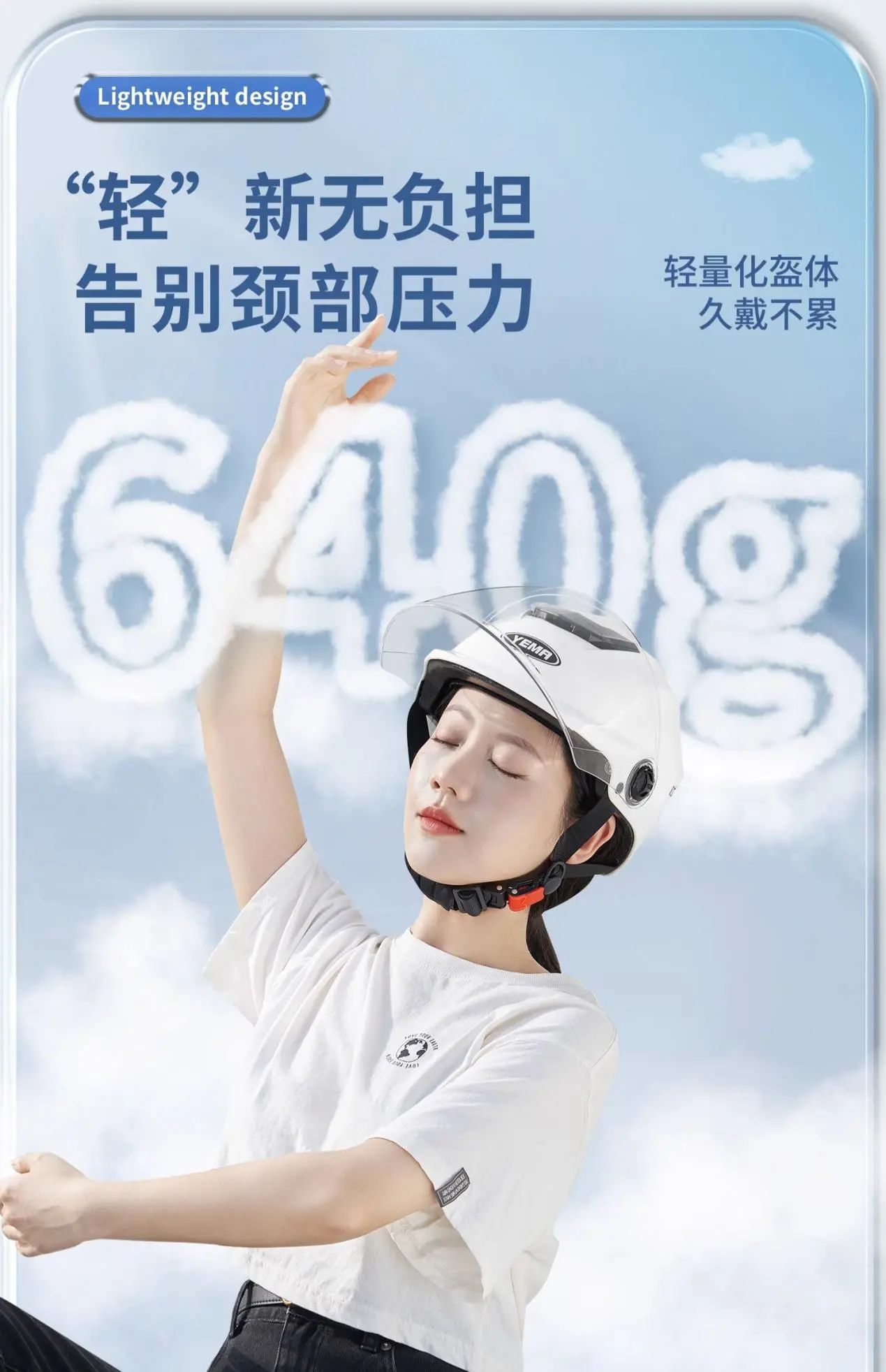
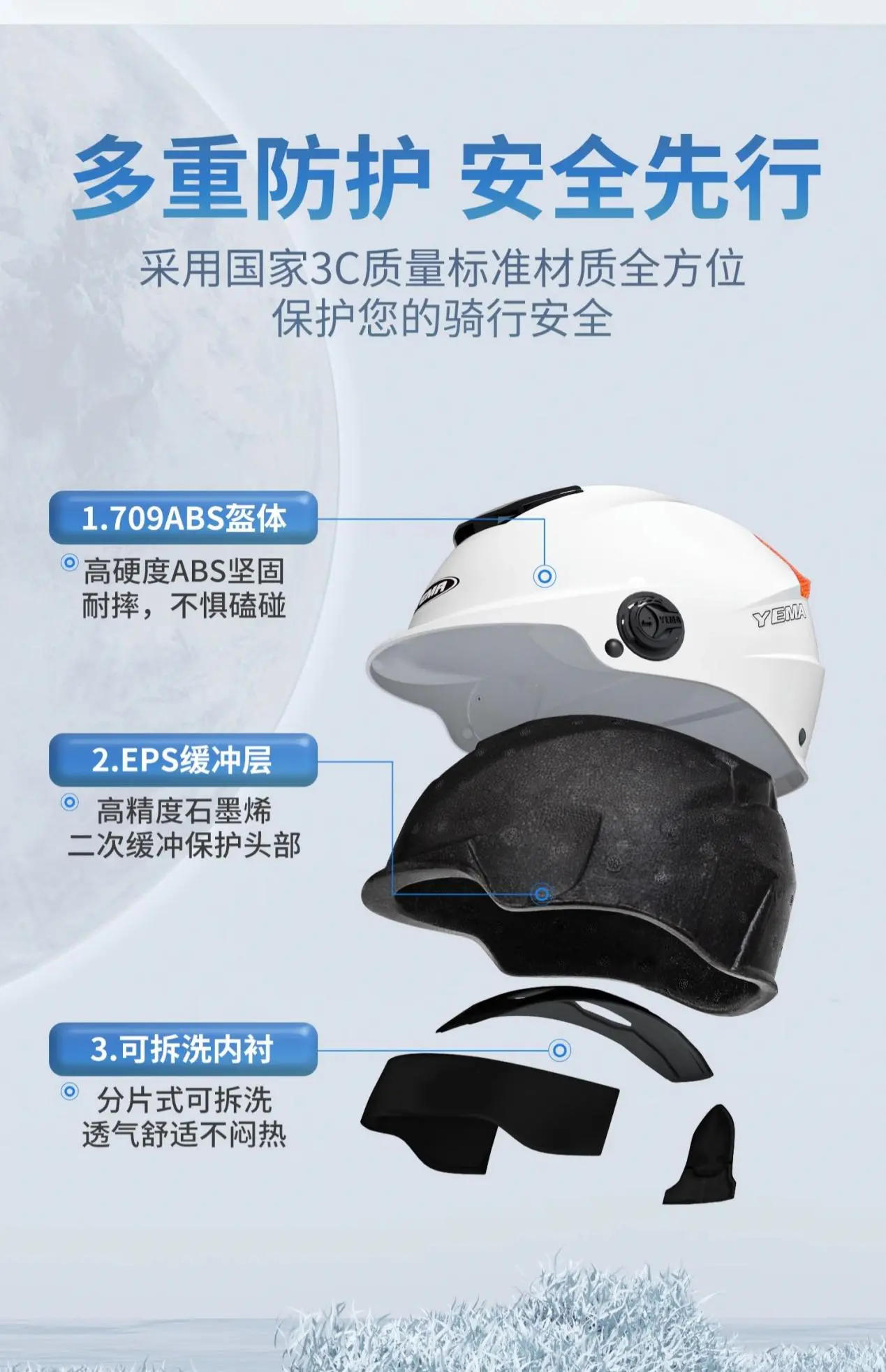
YEMA’s 335S model helmet has a net weight of 640g, a lightweight body, and can be worn for a long time without getting tired. At the same time, it is a helmet that has passed the national 3C certification and meets national standards, with high protective performance. Wearing it comfortably and providing protection, no wonder it has gained countless followers.


