
Electric motorcycle helmets are important protective equipment for riding safety, and their production process involves multiple key links. From design and research to finished product manufacturing, strict control is required to ensure the quality and safety of the helmets. YEMA helmets are a well-known domestic helmet brand established in 1991, integrating production, testing, development, creation, and sales. Today, we will introduce in detail the production process of YEMA’s electric motorcycle helmets and answer how YEMA helmets are made into safe and qualified helmets.
1. Design
The design and development of helmets are the starting point of the entire production process. At this stage, determine the purpose, target user group, and functional requirements of the helmet. Firstly, the designer will create a conceptual diagram of the helmet to determine its appearance and style. Then, engineers use computer-aided design software (CAD) to create a 3D model of the helmet, taking into account its structure, materials, ventilation system, and other functions. At this stage, security considerations are crucial, and the design must meet the corresponding security standards.


2. Injection molding
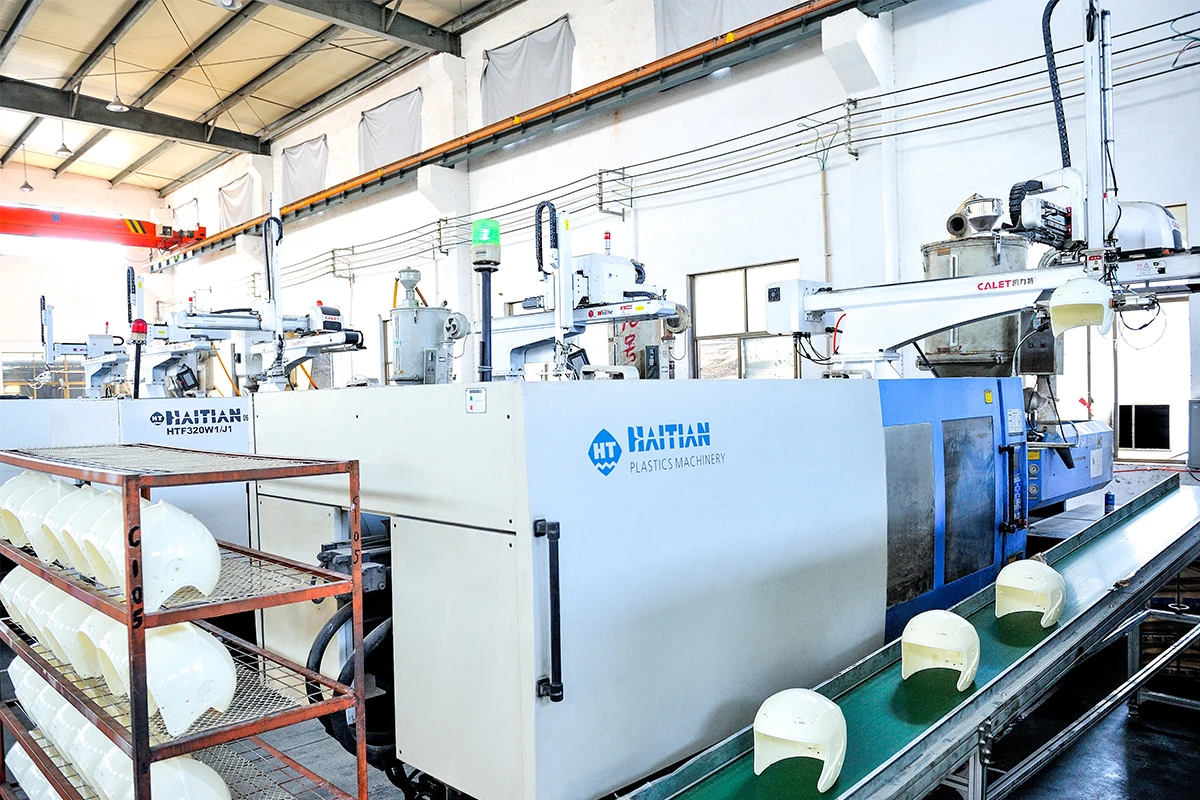
The manufacturing of helmet shell is one of the key process steps. Generally speaking, there are several main methods for manufacturing shells, including injection molding, pressure molding, and composite molding. The YEMA helmet adopts injection molding method, injecting heated materials into the mold and forming the helmet shell through high-pressure injection molding.
3. Shell polishing, painting, decal, polishing
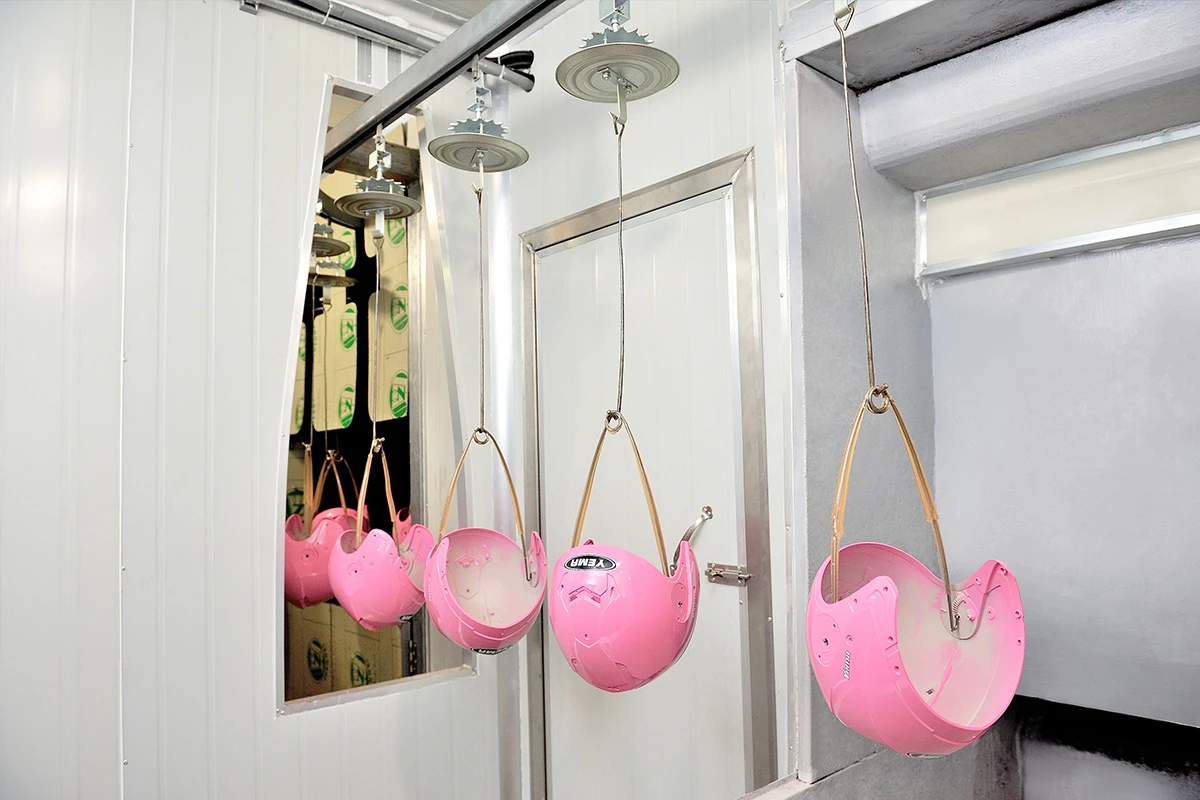
After the surface of the helmet shell is manually polished, it is then painted and decald. The decals are designed and printed by a computer and manually applied. Finally, after polishing treatment, the helmet shell is basically completed.

4. Buffer layer manufacturing
The manufacturing of helmet cushioning layer is equally important. EPS is an efficient energy absorbing material that can reduce the impact force during impact. The buffer layer is formed by mold molding, heating and expanding EPS particles, filling them into the mold of the helmet lining, and then curing them at high temperature to form the shape of the lining. The density and thickness of the lining will be adjusted according to different helmet models and standards.
5. Assembly
After the completion of the shell and buffer layer manufacturing, the assembly phase of the helmet begins. At this stage, combine the helmet shell and cushioning layer together, while adding accessories such as neck straps, inner padding, adjustment system, goggles, etc. The assembly process requires a high degree of precision and quality control to ensure the stability and safety of the helmet.
6. Quality inspection
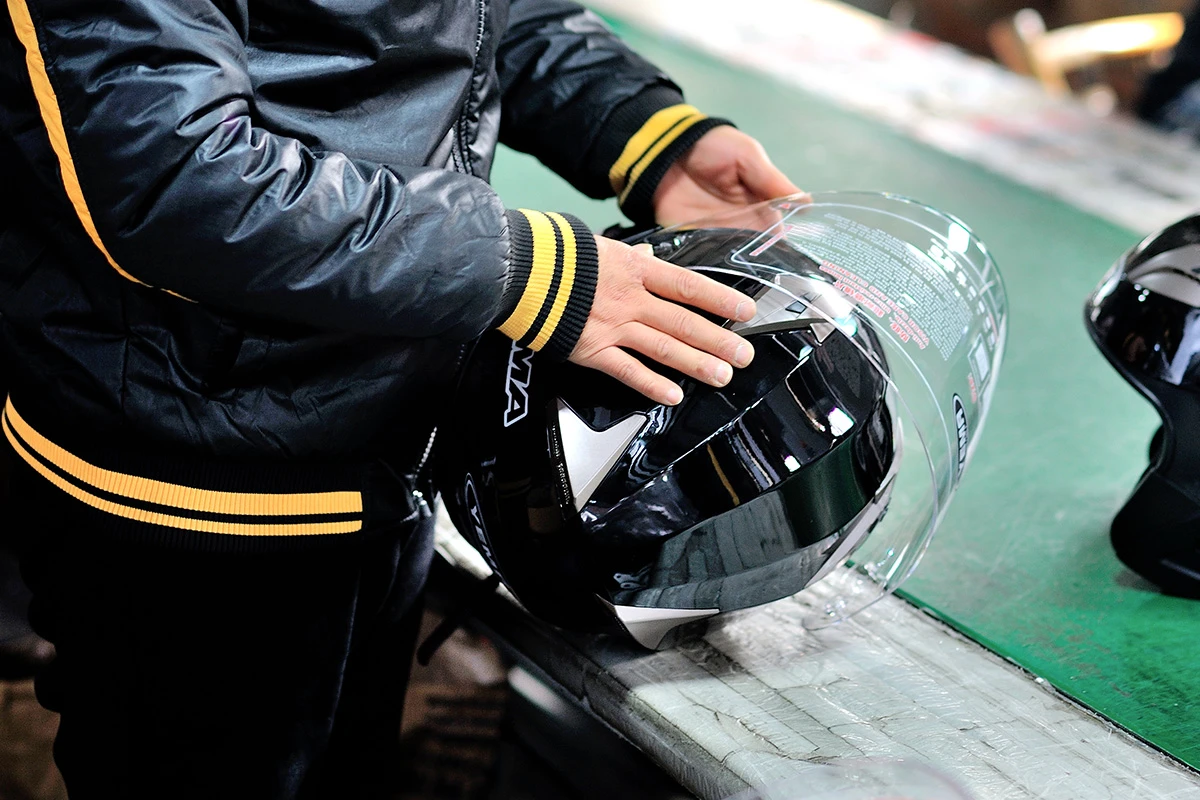
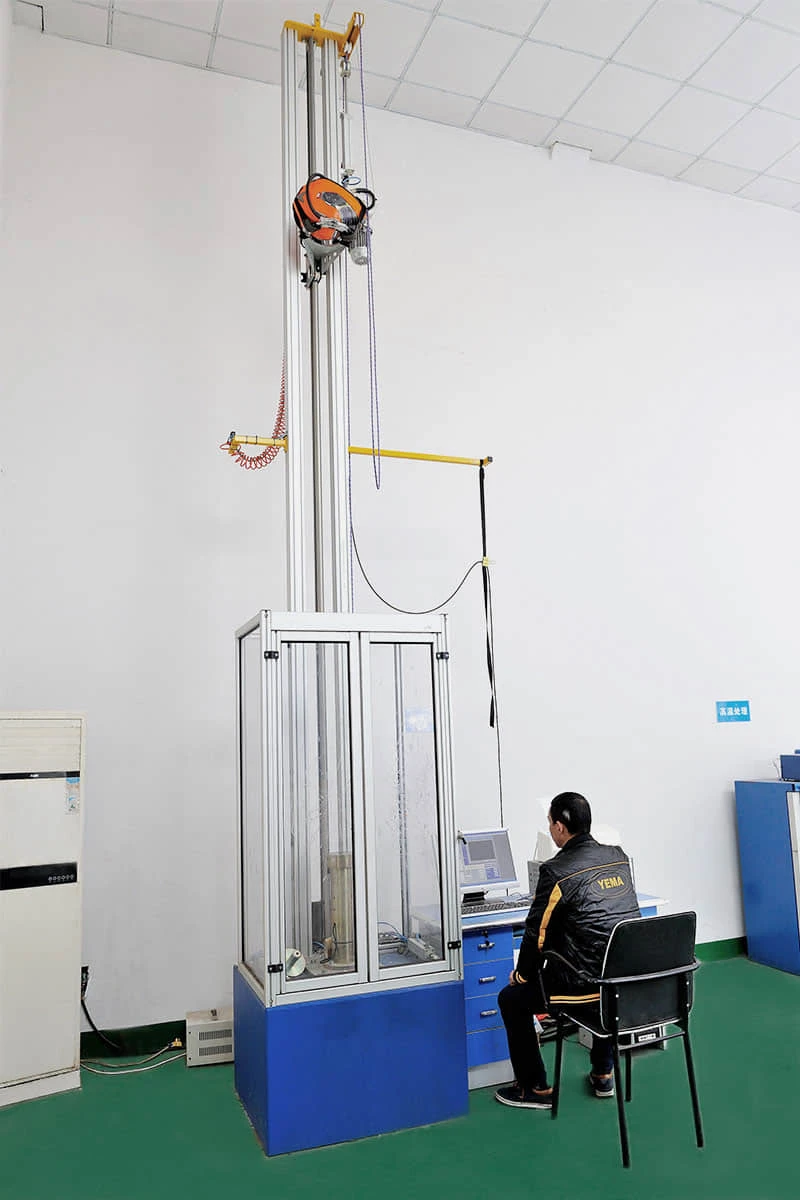
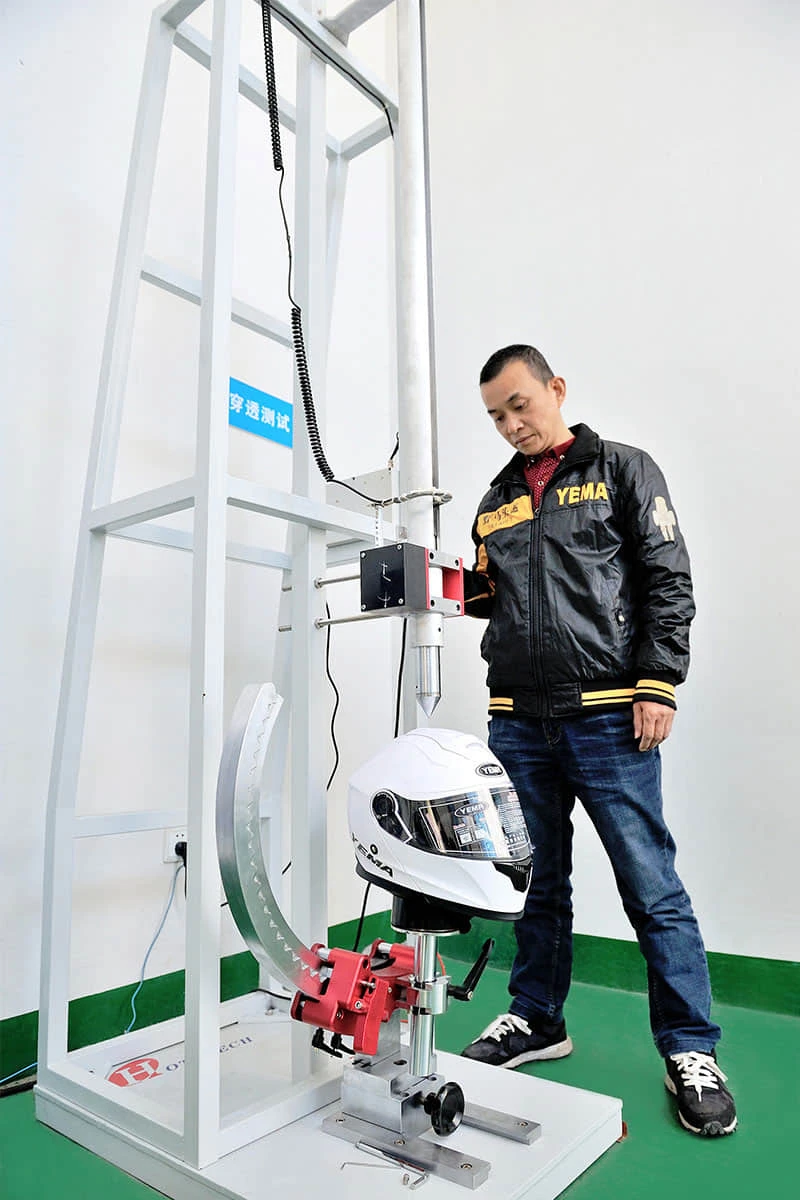
Quality inspection is a crucial step in the helmet production process. At each stage, YEMA helmets undergo strict quality inspections to ensure that they meet safety standards and quality requirements. Safety tests will also be conducted on the helmet, including penetration resistance testing, collision energy absorption performance testing, stability and strength testing of the wearing device, and so on. Only through strict quality inspection can helmets ensure their safety performance in actual use.
7. Packaging and delivery
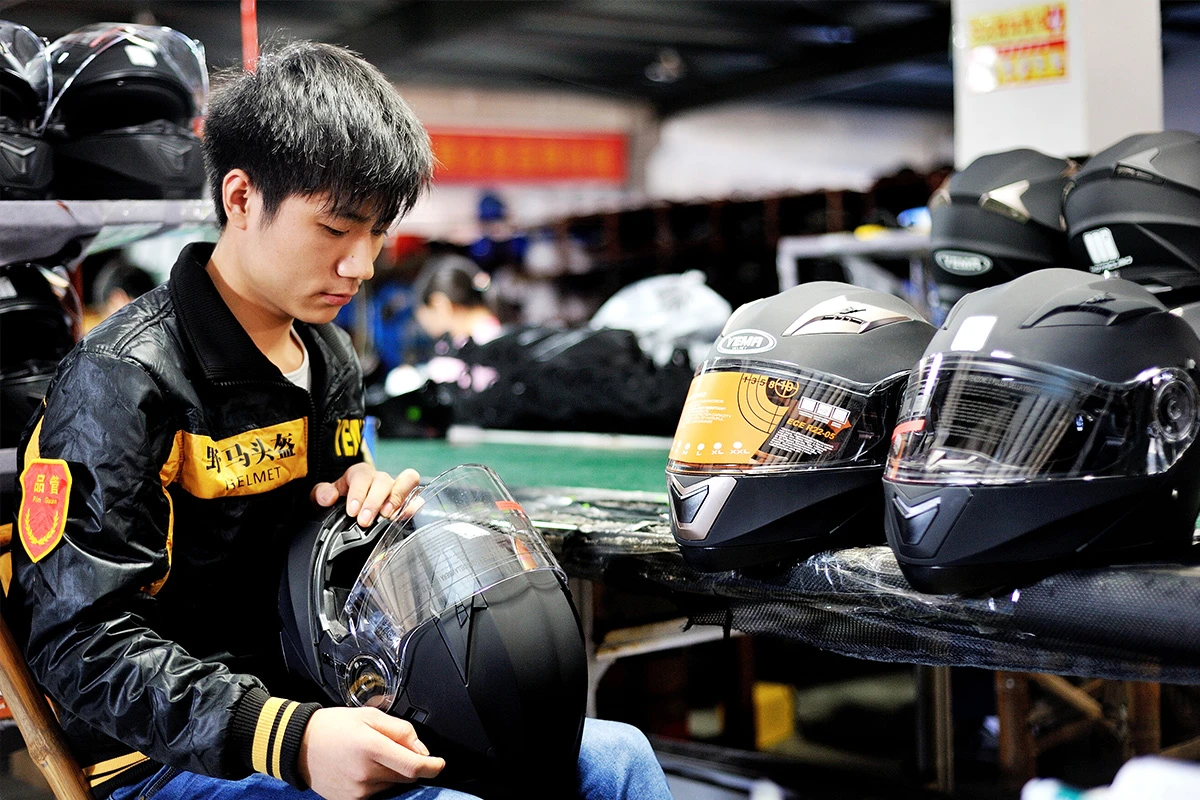
Finally, helmets that have passed quality inspection will be packaged and prepared to be sent to sales channels. The packaging of helmets should protect them from damage during transportation. After the helmet is packaged, it will be delivered according to the requirements of the sales channel for consumers to purchase and use.
The production process of electric motorcycle helmets is a complex and rigorous process, covering multiple key links. Through careful execution and strict control of this series of steps, YEMA helmets can ensure the production of safe and qualified helmets, providing effective head protection equipment for riders.


